
Lemon Ginger Drink for Inflammation
Lemon Ginger Drink for Inflammation
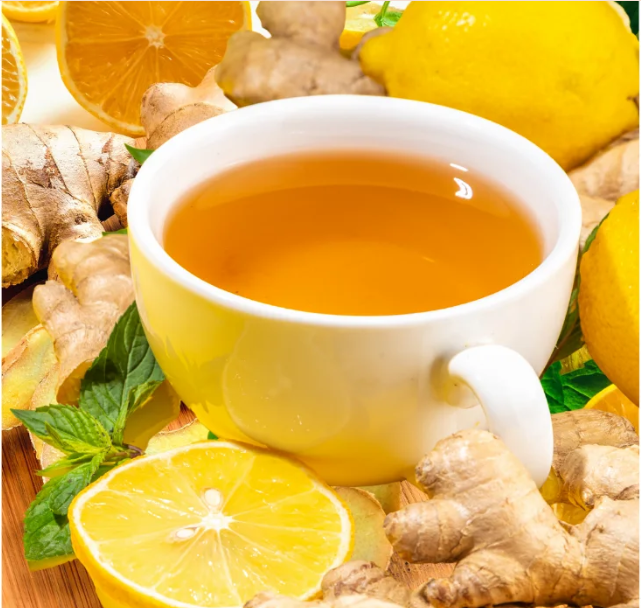
Chronic, low-grade inflammation plays a role in fatigue, digestive discomfort, joint stiffness, and overall sluggishness as we age. While no single drink is a cure-all, certain ingredients have well-studied properties that can support the body’s natural inflammatory response.
One simple, accessible option is a lemon ginger drink—a warm or cool beverage that combines two ingredients long used in both traditional medicine and modern nutrition science.
Let’s break down why this drink works, how to prepare it safely, and when it fits best into a wellness routine.
Understanding Inflammation
Inflammation is part of the body’s defense system. Short-term inflammation helps with healing, but persistent inflammation may contribute to:
- Digestive discomfort and bloating
- Muscle and joint soreness
- Low energy levels
- Difficulty recovering after physical activity
Lifestyle factors including diet, hydration, sleep, and stress, play a meaningful role in keeping inflammation balanced. Including gut-friendly meals can make a real difference.
This is how Ginger can Supports your Inflammatory Response
Ginger’s Key Compound: Gingerol
Ginger contains gingerol, a bioactive compound studied for its role in:
- Supporting a healthy inflammatory response
- Easing muscle soreness after activity
- Promoting gastric motility and digestion
From a pharmacist’s perspective, ginger is especially helpful because it supports digestion without acting as a stimulant, making it appropriate for many adults when used in food-based amounts.
Ginger contains gingerol, a bioactive compound that has been studied for its role in supporting a healthy inflammatory response and digestive comfort. According to the National Institutes of Health’s overview on ginger, regular dietary intake of ginger is associated with antioxidant and inflammation-modulating effects.
An imbalanced gut can make inflammation worse, which is why understanding unhealthy gut is an important first step in supporting digestive wellness.

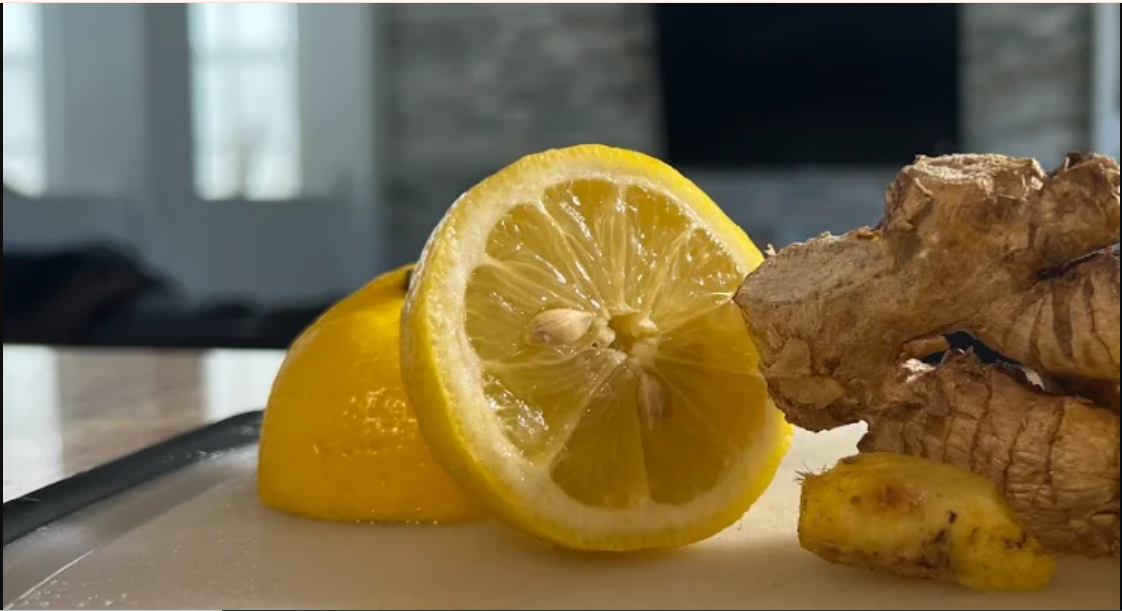
Lemons contribute more than flavor.
A few benefits of Lemons:
- Rich in vitamin C, which supports immune function
- Contains antioxidants that help neutralize free radicals
- Stimulates digestive enzymes and bile flow
Adequate vitamin C intake has been associated with reduced oxidative stress—an underlying contributor to chronic inflammation.
Lemons are a natural source of vitamin C and plant-based antioxidants. Lemons can support immune health and help reduce oxidative stress, which plays a role in chronic inflammation when left unchecked.
When Ginger meets Lemon
When combined, ginger and lemon offer complementary benefits:
- Ginger supports digestion and inflammatory balance
- Lemon supports antioxidant activity and hydration
- Warm water enhances absorption and gut comfort
This combination may help reduce bloating, improve morning energy, and support recovery after physical activity—especially when consumed consistently. Pairing this with fiber-rich foods can enhance results too.
Pairing foods with natural anti-inflammatory and antioxidant properties—like ginger and lemon—fits within broader dietary strategies. Whole foods and balanced nutrition can support pain management and inflammatory balance when combined with consistent lifestyle habits.
Simple Lemon Ginger Drink Recipe
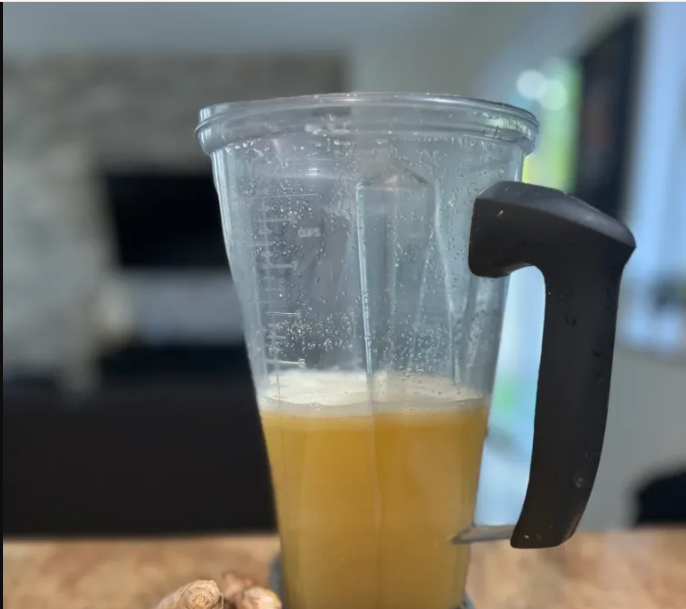
Before you prepare your drink, here’s a quick video guide to show you how to do it step by step.
Ingredients
- Fresh ginger (1–2 inches, sliced or grated)
- Fresh lemon juice (½ lemon)
- Warm or room-temperature water
- Honey (optional, for taste)
How to Prepare
- Steep ginger in hot water for 5–10 minutes
- Add fresh lemon juice
- Stir in honey if desired
- Sip slowly
Dr T tip: Avoid blending lemon juice directly into the mixture. Add it last, as excessive heat can reduce its vitamin C content.
The Best Time to Drink
This drink fits easily into daily routines:
- Morning: Supports digestion and hydration
- After workouts: Helps soothe muscle soreness
- Between meals: May reduce bloating and cravings
Consistency matters more than timing, regular intake supports cumulative benefits.
Cautions…
While food-based amounts are generally well tolerated, individuals should use caution if they:
- Take blood thinners
- Have gallbladder disease
- Experience acid reflux triggered by citrus
Always consult your healthcare provider if you have chronic conditions or take prescription medications.
Why Trust This Information?
Dr. Tenechia Smith-Aristhomene (Dr. T) is a licensed pharmacist with over 25 years of experience counseling patients on digestion, medications, supplements, and lifestyle habits that affect gut health, energy, hormones, and long-term wellness.
This content is educational, evidence-based, and designed to help readers make informed decisions — not replace medical care.
Is inflammation always a bad thing?
Not at all. Inflammation is part of the body’s natural defense system. The concern is chronic, low-grade inflammation, which can quietly affect digestion, energy, joints, and overall wellness over time.
Why do “healthy” foods sometimes make me feel worse?
Raw vegetables, smoothies, and high-fiber foods can actually overwhelm a stressed gut. Preparation, timing, and balance matter more than labels like “clean” or “superfood.
Is it possible my gut needs structure, not more supplements?
Absolutely. Many people don’t need more products they need clear food structure and consistency. A guided plan, like Dr. T’s 7-Day Gut Reset Meal Plan, removes guesswork and supports digestion without overwhelm.
How can I tell if my gut is “off” even if labs are normal?
Standard labs don’t always reflect gut function. Patterns in digestion, energy, bloating, and cravings often tell a clearer story which is why Dr. T created a simple assessment tool.
👉 Find out where your gut stands: Take the Gut Health Quiz
Why do some people feel better immediately with ginger, while others don’t?
Individual gut bacteria, medication use, and digestive health all influence how the body responds. This is why personalized approaches rather than one-size-fits-all advice, tend to work better long term.
Key Takeaways
A lemon ginger drink is a simple, food-based way to support digestion, hydration, and the body’s natural inflammatory balance.
What to remember:
Ginger supports inflammatory response and digestion
Lemon provides antioxidants and vitamin C
Regular intake matters more than perfection
Next Step
Test the health of your gut. Take this Gut Health Quiz to see how your gut is doing and get personalized tips:

7 Day Reset your gut meal plan
This 7-day meal plan is structured to facilitate and reset your gut health. Each day is carefully curated to enhance gastric motility, nourish beneficial gut microbiome, and support the repair of the gastric lining.
This in turn will help improve digestion, enhanced nutrient absorption, and reduce symptoms like constipation, gas and bloating.
Here’s what included in your meal plan:
- 7 delicious breakfast ideas
- 7 delicious lunch ideas
- 7 delicious dinner ideas
- An easy-to-use 7-week meal plan
- A variety of nutritious snack options
- grocery lists, and helpful tips